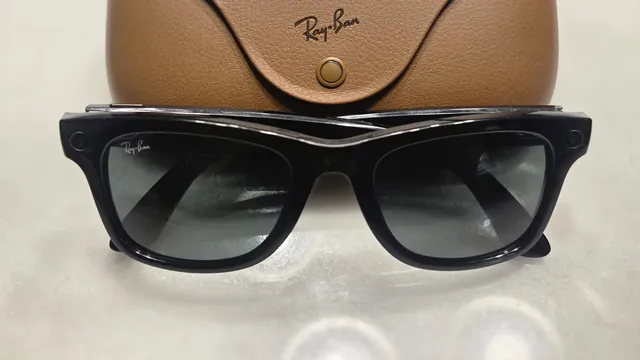
One press of the capture button takes a photo, and a long press starts a video. Here's how to do both by voice, how long clips can be, which quality settings to change and where the files end up.
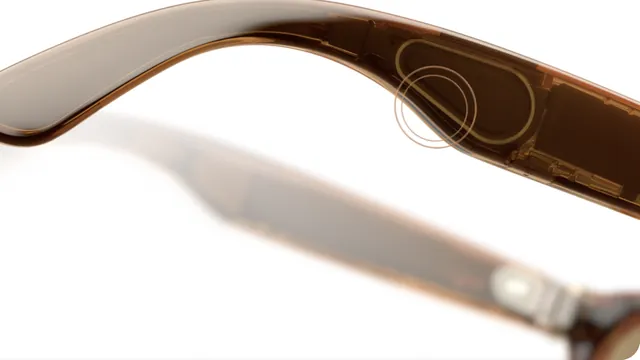
Taps and swipes on the right arm control music, calls and Meta AI, and the capture button handles the camera. Here's what each gesture does, how the Gen 3 action button works and what you can change.
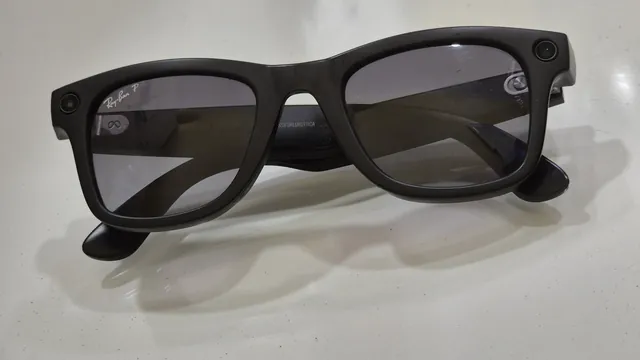
The power switch is on the left arm, and a small light inside the frame tells you what the glasses are doing. Here's how to turn them on and off, what each color means and how to restart a pair that won't respond.
Everything you shoot stays on your Ray-Ban Meta glasses until the Meta AI app moves it to your phone. Here's how auto-import and manual import work, where the files end up and what to do when an import won't start.
Ray-Ban Meta glasses can place calls, dictate messages and send photos on WhatsApp, Messenger, Instagram and your phone's own calling and texting. Here's how to connect each one and what to say.
Ray-Ban Meta glasses work like open-ear headphones for anything on your phone, and a handful of services also work by voice. Here's which ones, how to connect them and how much the people around you will hear.
Over two days in September, Meta unveiled $1,299.99 VR Glasses, two new Ray-Ban models, cheaper Meta Glasses, hearing enhancement and plans to put its Muse agent on your face. A month later, here is everything it announced, what you can buy today and what is still to come.
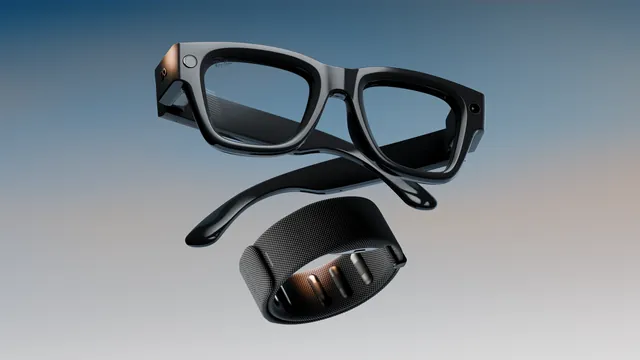
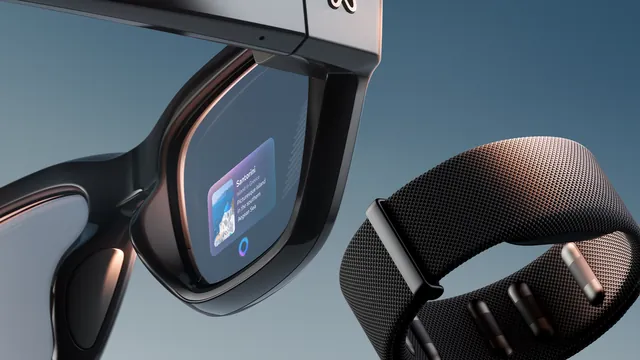
Meta Ray-Ban Display puts a small full-color screen in a pair of Ray-Bans and pairs it with a wristband that reads finger movements. It costs $799 in the US and is now sold online and in five more countries.
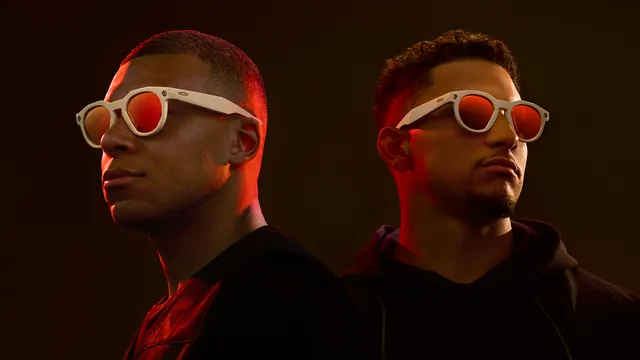
Oakley's AI glasses come in two models: the everyday HSTN, from $399, and the wraparound Vanguard for high-intensity sport, at $499. They differ in battery life, water resistance, lenses and prescription support.
Smart glasses are ordinary-looking frames with speakers, microphones and often a camera or a tiny display, linked to your phone and an AI assistant. Here's how the types differ, who makes them, what they cost and what to know before wearing a pair in public.
Meta AI is the assistant inside Ray-Ban Meta, Oakley Meta, Meta Glasses and Meta Ray-Ban Display. Here is what it does on each model, which languages and countries get which features, the privacy settings worth knowing, and what changes when Muse arrives.
Snap's first AR glasses for consumers cost $2,195 and are due to ship this fall in the US, the UK and France. They fit a 51-degree display, two Snapdragon chips and the battery into a frame of 132 to 136 grams, after a decade of Spectacles.
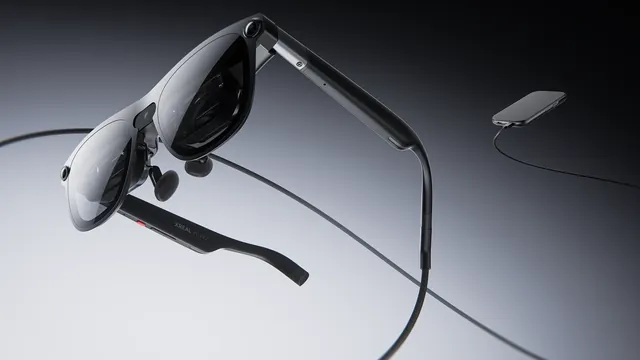
XREAL Aura is the first pair of see-through glasses to run Google's Android XR. Orders opened Oct. 28 in the US, Canada and South Korea at a launch price from $1,099, with shipments starting in mid-November. The glasses weigh under 95 grams and connect to a pocket puck that runs the apps.
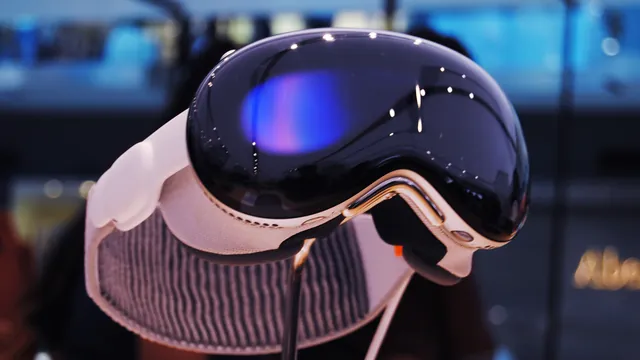
Apple sells one Vision Pro, the M5 model from October 2025, and since June it starts at $3,699. Here is what it costs, what's inside, what visionOS 27 adds, where you can buy it and what Apple is reportedly planning next.
There's no single best pair of smart glasses. The right one depends on whether you want a camera, a display, a big screen for movies or just audio. Here are the strongest options for each need, based on official specs and US prices.
Oakley Meta and Ray-Ban Meta run the same assistant and the same app. They differ in the frame: water resistance, lenses, microphones, prescription range and the fitness features only Vanguard has.
Oakley Meta HSTN puts a 12MP camera, open-ear speakers and Meta AI into Oakley's HSTN frame. It starts at $399, and it is the Oakley Meta model you can order with prescription lenses.
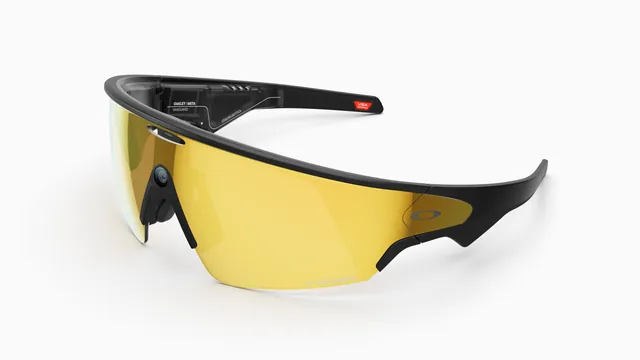
Oakley Meta Vanguard is Meta's AI glasses for high-intensity sport: a wraparound frame with a centered camera, louder speakers, an IP67 rating and live stats from a Garmin. It costs $499.
Meta Ray-Ban Display and Ray-Ban Meta Gen 3 are $350 apart. The Display adds a screen in the lens and a wristband to control it. Gen 3 has no screen, but it lasts longer, records sharper video and takes stronger prescriptions.
Meta Ray-Ban Display costs $799 in the US with the Neural Band. You can now order it online in six countries, size the band with your phone or book an in-store demo to try it first.
The Meta Neural Band reads the electrical signals your wrist muscles make when you move your fingers and turns them into commands for Meta Ray-Ban Display. It comes in three sizes, and the fit decides how well it works.
Smart glasses now come with no screen, a small screen you glance at, or a see-through display that places graphics in the room. Here's what separates AI glasses, display glasses, screen glasses and AR glasses, with real models and prices.
Most smart glasses can be made with prescription lenses, but the supported ranges, how you order and what it costs vary a lot. Here are the official options for every major model, from Ray-Ban Meta and Oakley Meta to Even Realities and XREAL inserts.
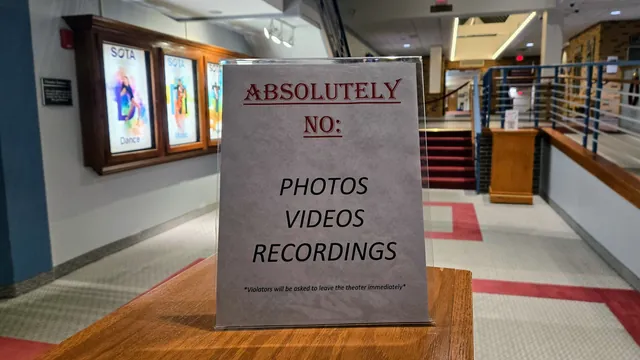
Taking photos in public is generally legal, but smart glasses also record sound, and that's where federal and state wiretap laws come in. Here's how consent rules work, where recording is off-limits and what employers and venues can ban.
Can we count your visit?
With your permission, Google Analytics tells us how many people come and where from. How it works.