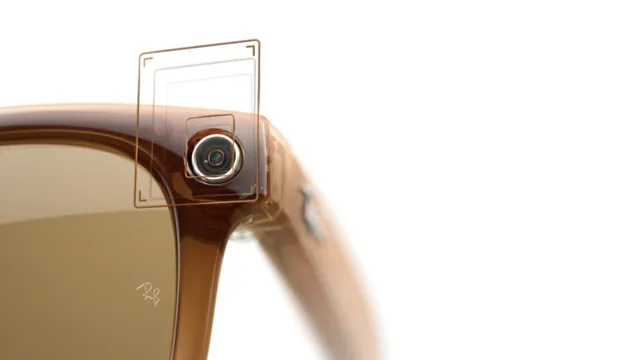
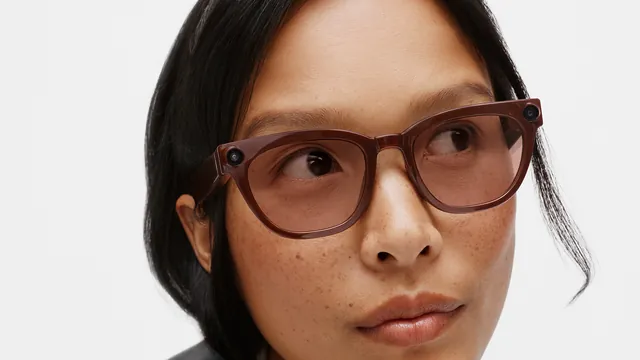
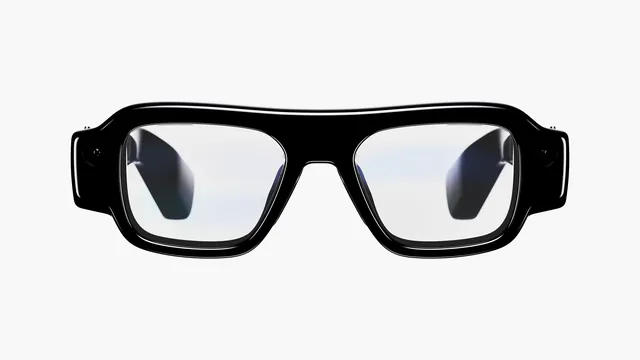
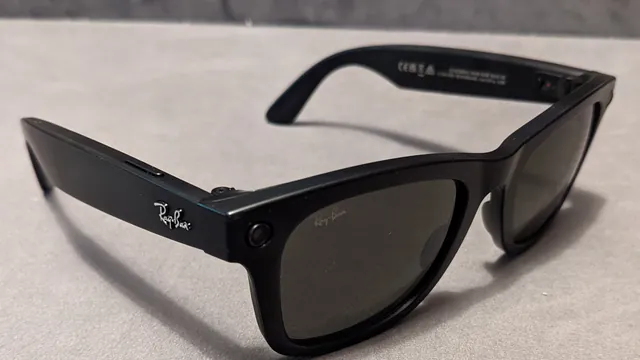
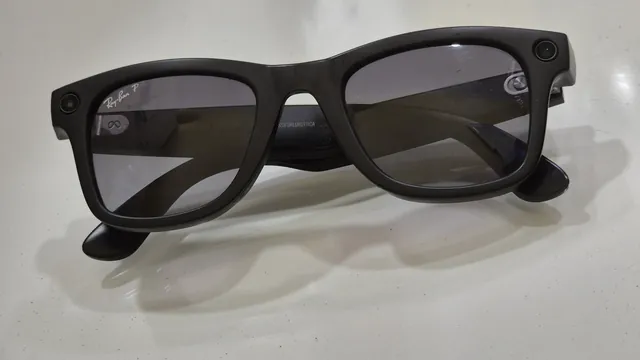
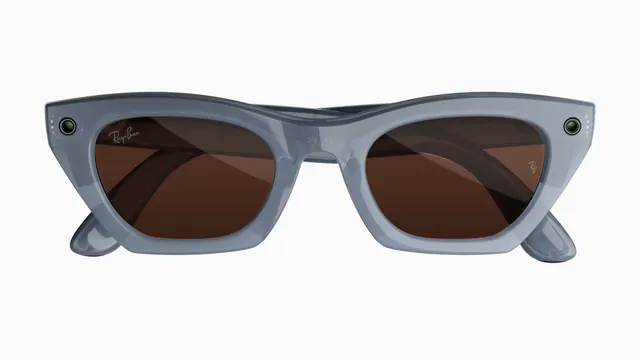
Camera glasses tell people nearby that they're recording with a small light on the frame. Here's what that light shows on Meta, Oakley and Snap glasses, when it stays dark, and why regulators in Europe and Australia say a light isn't enough.
Camera glasses look like ordinary frames, and their recording light is easy to miss. Here's how to tell when someone might be filming, what happens to the images, where the law protects you and what you can do if you'd rather not be recorded.
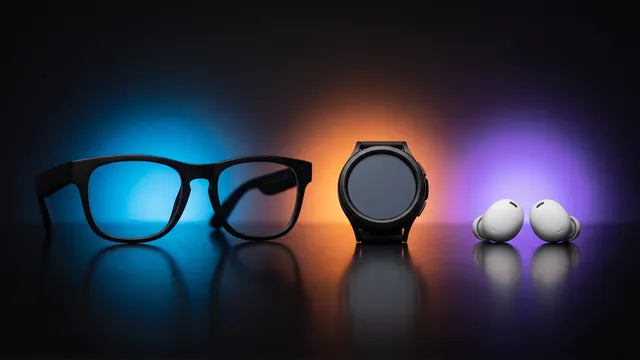
Meta AI owns smart glasses, Gemini is on watches, earbuds and a headset with glasses due Dec. 10, and Siri just got rebuilt for the Apple Watch, AirPods and Vision Pro. Here is what each assistant can actually do on the devices you wear, and which one fits your phone.
If you own Ray-Ban Meta, Oakley Meta, Meta Glasses or Meta Ray-Ban Display, the Meta AI app is how you set them up, import your photos and control what Meta stores. It used to be called Meta View. Here is what it does, where its settings live and what changed with the rename.
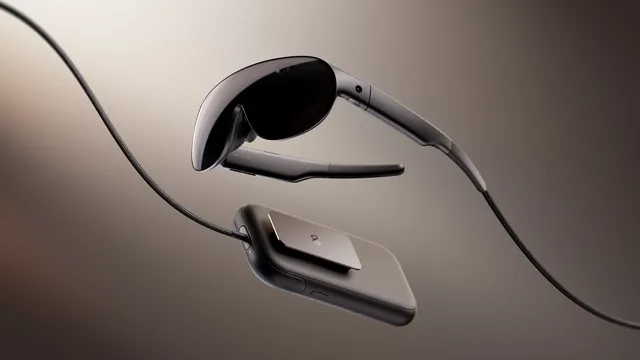
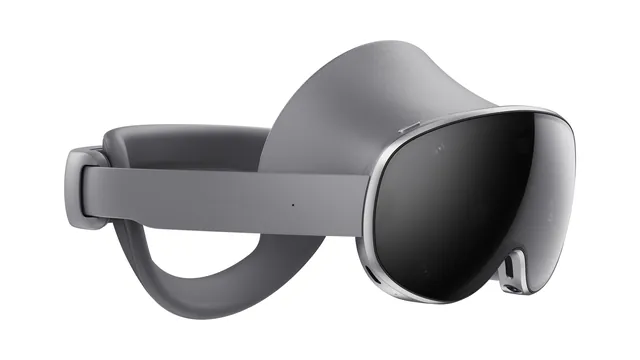
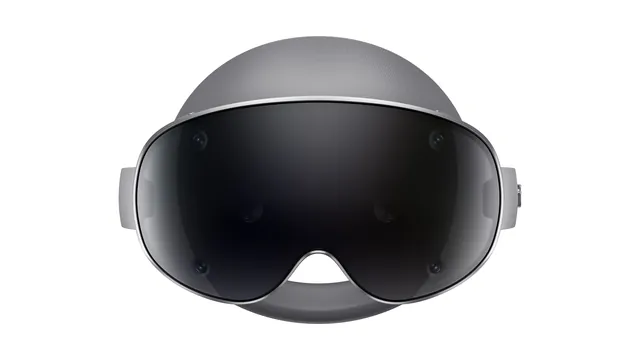
Meta's VR Glasses put micro-OLED displays into a pair of glasses of about 100 grams, tethered to a pocket puck. They go on sale in spring 2027 for $1,299.99. Meta says they're five times lighter than Quest 3, and they have Meta AI built into the system.
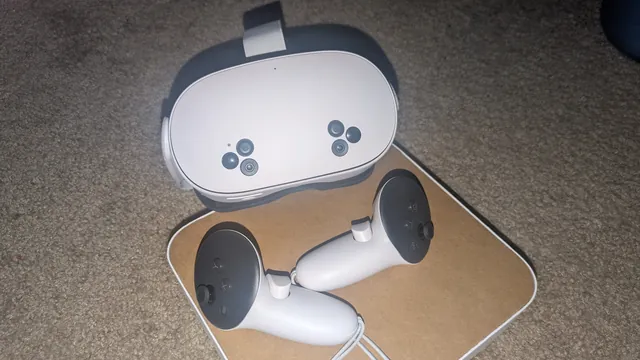
Meta raised Quest prices in April, and in September it announced $1,299.99 VR Glasses that run the same apps. Here is what Quest 3 and Quest 3S cost now, how they differ and where the new glasses fit.
Galaxy XR is the first headset to run Google's Android XR, with Gemini built in. A year after launch it still costs $1,799.99 in the US. Here is what you get, what has changed since October 2025 and how it stacks up against Apple Vision Pro.
Android XR is the version of Android that Google built for headsets and smart glasses, with Gemini at its center. Here is what it does, which devices run it now, which are coming and how it compares with Apple's and Meta's platforms.
Gemini is built into Android XR, so it can see your apps and, if you allow it, your room. Here is what it does today on Samsung's Galaxy XR headset, how to control what it sees, and what Google says it will do on the audio glasses that go on sale Dec. 10.
Apple hasn't announced smart glasses, but Bloomberg's Mark Gurman and analyst Ming-Chi Kuo have reported a lot about them. None of it is confirmed by Apple, and the expected release has slipped from 2026 to late 2027.
Google's Android XR runs on one headset you can buy today. XREAL's see-through Aura glasses are open for orders at launch pricing from $1,099 through the end of the year and ship in mid-November. Pre-orders for Samsung's Intelligent Eyewear from Warby Parker and Gentle Monster opened Nov. 12 for Dec. 10 availability, and glasses with a display have no date yet.
Samsung's first glasses, built with Google and designed with Gentle Monster and Warby Parker, opened for pre-order on Nov. 12 and become available Dec. 10 in the US and South Korea. Samsung's US prices start at $395 for Warby Parker and run $449 to $489 for Gentle Monster. Gentle Monster's US product page now shows every style as sold out, and Samsung's compatibility list includes iPhone 13 and later on iOS 26.6 or later.
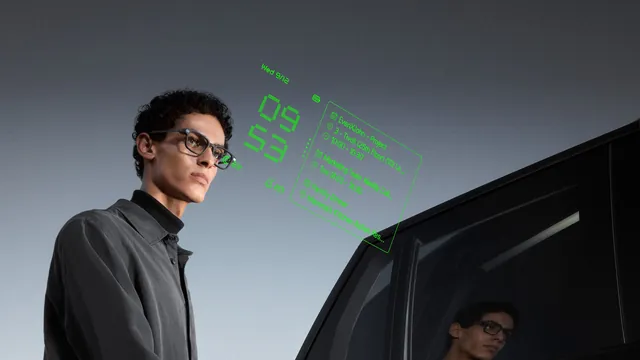
Even Realities makes camera-free glasses that show green text and graphics in both lenses, for notes, translation, prompts and notifications without taking out your phone. The G2, which replaced the G1 last November, costs $599 and adds a sharper display, four microphones and up to two days of battery.
XREAL's US store lists nine pairs of glasses, from $199 to $1,499 at regular prices, and the names don't make the differences obvious. The differences come down to a chip, the field of view, the refresh rate and whether the glasses run apps of their own.
A tracker of the smart glasses due in the coming months, with each company's announced price and timing and a link to the source. Reports about products that haven't been announced are kept separate and attributed.
Meta Ray-Ban Display is on sale in six countries. It reached the US in September 2025 and the UK, Canada, France, Italy and Germany a year later, after a delay Meta blamed on demand.
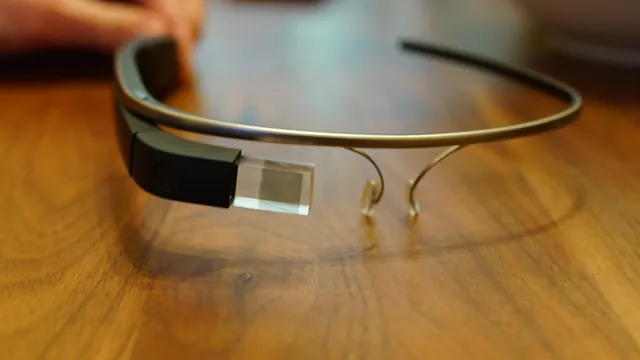
Google Glass went from a skydiving stunt in 2012 to a $1,500 prototype, a backlash over privacy and looks, a second life in factories and a final shutdown in 2023. Google is now back with Android XR glasses, made with Samsung and eyewear brands and due this fall.
Smart glasses went from a $1,500 developer gadget that some bars banned to millions of Ray-Bans a year. Here are the launches that shaped the category, with dates, prices and sources, from Google Glass to Meta Ray-Ban Display and Snap Specs.
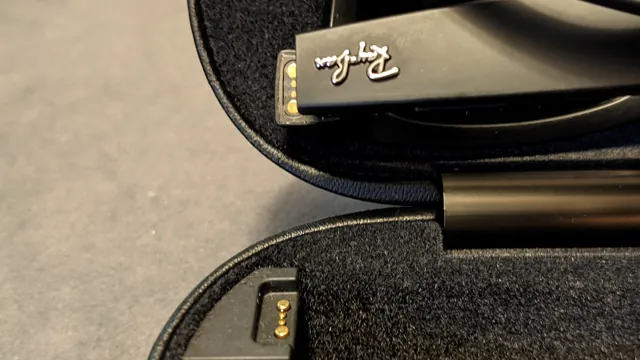
When Ray-Ban Meta glasses or their case stop charging, Meta says the cause is usually dirty contacts, heat or a charger the case won't accept. Here's how to find which one it is and fix it, from the quickest check to a case reset.
A factory reset wipes the photos and videos stored on Ray-Ban Meta glasses and means pairing them again from scratch. Here are Meta's steps for the glasses and the case, what to try first and what to do afterward.
Most dropped connections between Ray-Ban Meta glasses and a phone come down to Bluetooth range and interference. Here are Meta's fixes in order, from moving your phone to a factory reset.
When Ray-Ban Meta glasses won't turn on, Meta's first suspect is charging. Here's how to check the case, get a real charge into the glasses and force a restart, in the order Meta suggests.
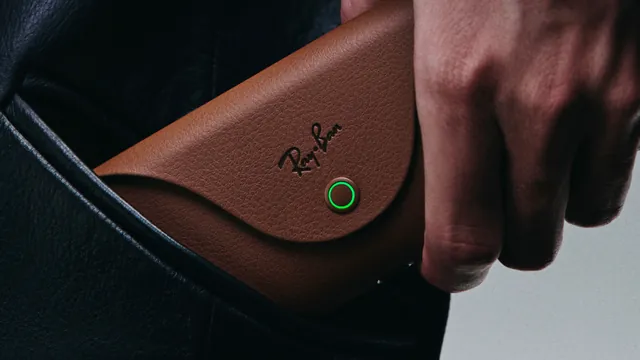
The small LED on the front of the Ray-Ban Meta charging case reports on two batteries and also signals pairing and errors. Here's what green, orange, red, blue and white mean, and what to do about each.
Ray-Ban Meta glasses have two lights: one inside the frame that reports to you, and one on the front that tells people nearby when you're taking a photo or video. Here's what every color and pattern means.
Can we count your visit?
With your permission, Google Analytics tells us how many people come and where from. How it works.