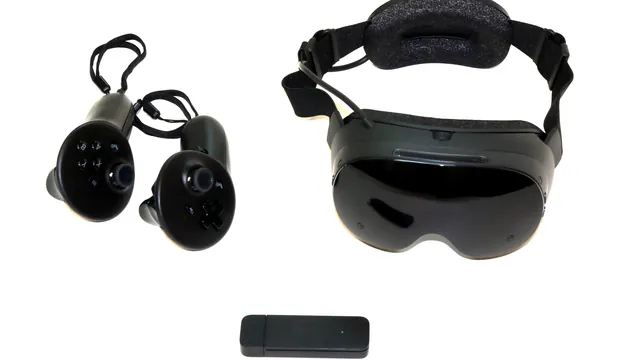
Valve's Steam Frame is a standalone SteamOS headset that also streams PC VR through its own wireless adapter. It costs $1,059 with 256GB or $1,299 with 1TB. Here is what's in the box, what runs on it and how it compares with Quest 3, Meta VR Glasses, Galaxy XR and Vision Pro.
Meta's own policies say what its AI glasses collect and send: voice recordings stored by default, photos processed in the cloud when you use Meta AI, and media that may be used to improve its AI. Private Processing, announced for glasses at Connect, has no date yet.
ChatGPT reaches wearables through Apple's Siri on iPhone and a few glasses makers such as Rokid. Meta's glasses use Meta AI, and OpenAI's own device isn't due before 2027. Here is what the companies document, and what they leave out.
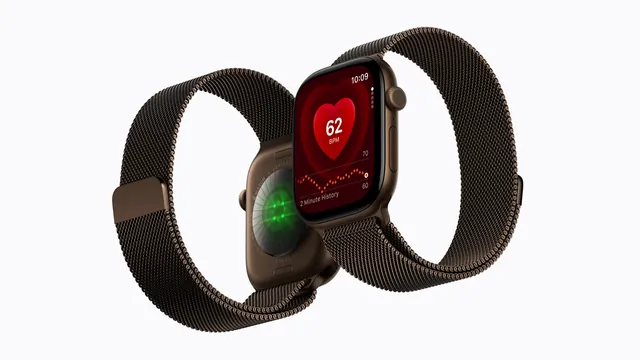
Apple Watch can flag possible hypertension from its heart sensor after 30 days of data, but it isn't a blood pressure reading. How the feature works, what the FDA record and Apple's study show, which watches get it and what to do after a notification.
AirPods Pro 3 add heart rate sensing for workouts to Apple's Hearing Test, Hearing Aid and Hearing Protection. What each feature does, which iOS version it needs and where it works.
Oura, Whoop, Samsung and Ultrahuman say their products are HSA or FSA eligible, and Apple says Apple Watch may be reimbursable. The IRS says it depends on why you buy the device. What each says, how medical necessity letters work and who decides.
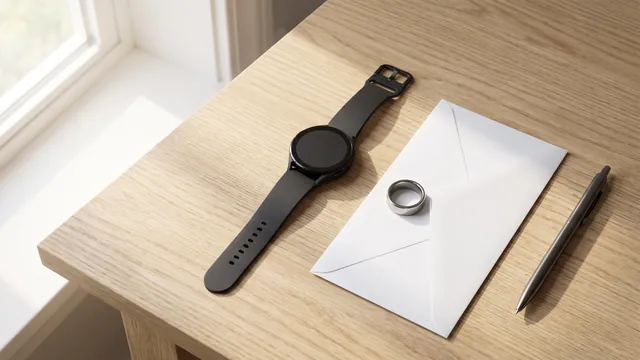
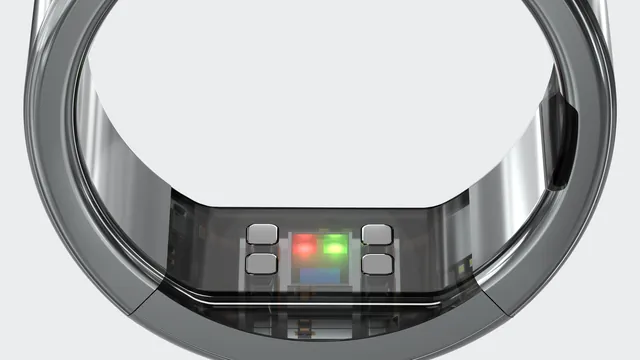
Five rings sold in the US need no membership for their main features. What Samsung, RingConn, Ultrahuman and Circular charge, how long each lasts, which phones work and what each sells as an optional extra.
Samsung's US watch page lists the Galaxy Watch9 from $379.99, the Galaxy Watch Ultra2 at $699.99 and last year's Watch8 Classic. Sizes, battery ratings, LTE, health features, Gemini and which phones they need.
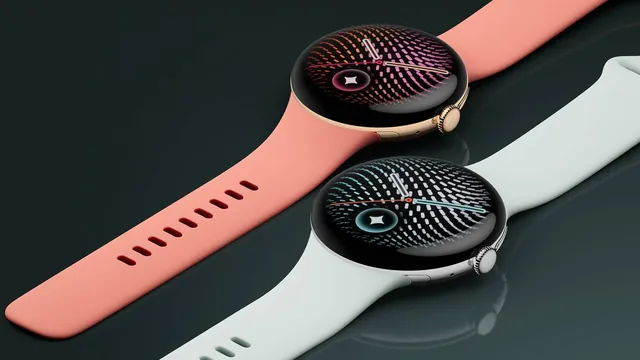
Google's store lists one Pixel Watch, the Pixel Watch 5, from $399 for the 41 mm and $429 for the 45 mm. Battery, charging, LTE, Gemini, the Google Health Premium fee, Android-only support and what changed from Pixel Watch 4.
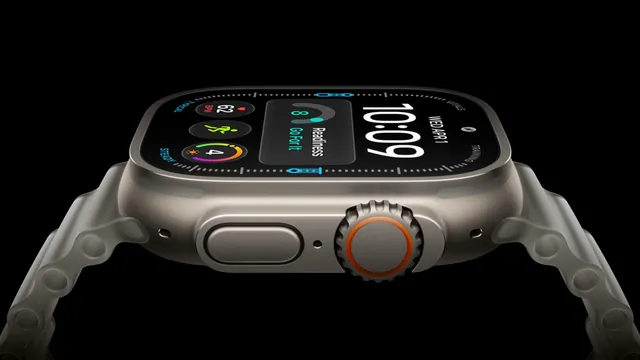
Apple Watch Ultra 4 costs $799 and is rated for up to 50 hours. Garmin's Fenix 9 starts at $999.99 and is rated for up to 29 days in smartwatch mode. How they compare on GPS battery, maps, dive and satellite features, subscriptions and phone support.
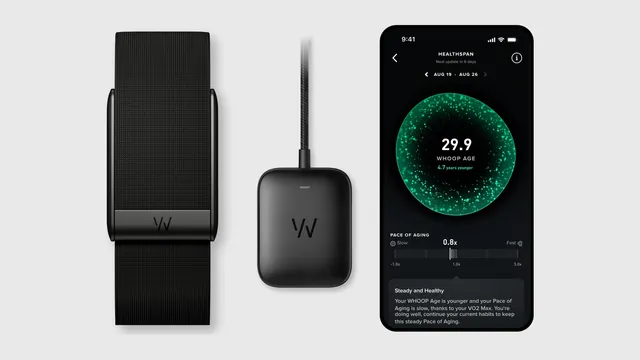
Whoop's screenless band comes with a membership: One at $199 a year, Peak at $239 and Life at $359. What each plan adds, how Whoop 5.0 differs from Whoop MG, the FDA status of ECG and Blood Pressure Insights, and who the band suits.
Omdia counted 8.7 million AI glasses shipped in 2025, IDC puts Meta at 68.7% of headsets and glasses in the second quarter of 2026, and Counterpoint reports 263% growth in the first half. The totals differ because each firm counts different products.
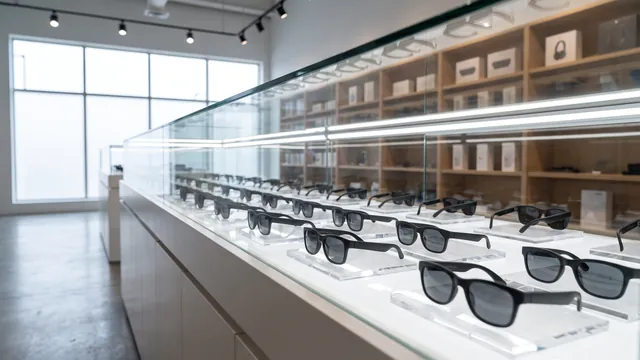
The cheapest smart glasses with a camera cost $249, and Ray-Ban Meta Gen 2, Oakley Meta HSTN and a few other pairs list at $399 or less. This guide covers what each does, who it suits and what you give up compared with pricier models.
Meta's glasses, Even Realities' G2, Amazon's Echo Frames and plug-in display glasses all work with an iPhone, within limits each company spells out. This guide covers what each needs, what iOS changes and what Apple itself sells.
No state law we read names smart glasses, but rules written for phones, headsets and video screens can reach them, and Meta tells wearers to use caution at the wheel. This guide covers the statutes, Meta's warnings and the lens makers' driving advice.
Mainland China shipped nearly one million AI glasses in 2025, and Chinese brands hold two of the top three spots worldwide. Prices at home start near 1,900 yuan, and only some of the brands sell outside China.
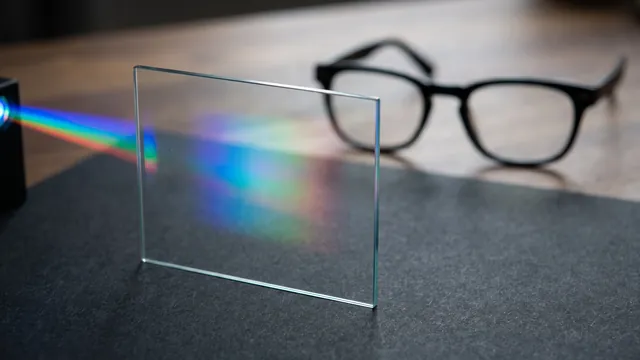
A waveguide is a clear plate that carries light from a tiny projector to your eye, so text can appear in front of you while the lens stays see-through. The three main types bend the light in different ways, and each one costs something in brightness, color, field of view or price.
Field of view is how much of your vision the image covers, measured in degrees and usually quoted across the diagonal. A simple formula turns degrees into virtual screen sizes, and the published numbers run from 20 degrees on Meta Ray-Ban Display to 70 on XREAL Aura.
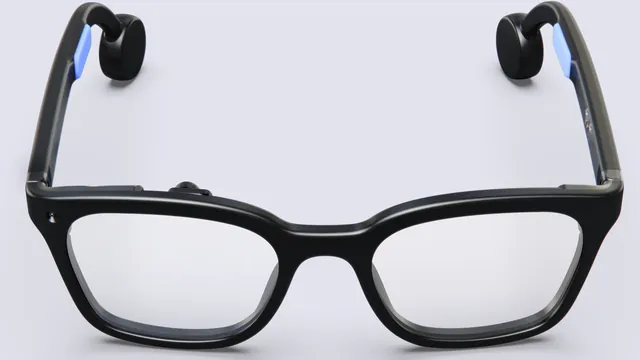
Open-ear speakers in the temples play sound toward your ear without sealing it. Meta, Amazon and Bose each say how much of that sound other people can hear, and Meta has added conversation focus and plans hearing software it says is FDA-cleared.
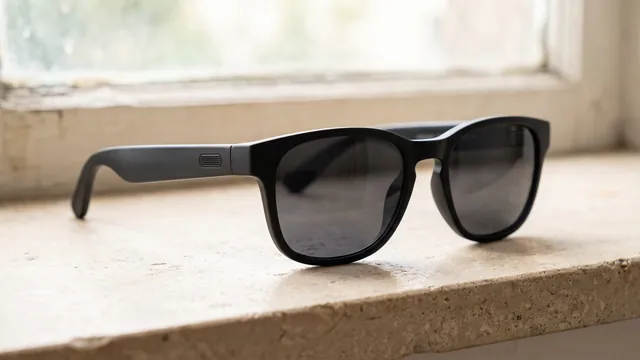
Smart glasses without a camera can't take photos or video, which is why people pick them for privacy, workplaces and venues with recording rules. Here are the audio, display and screen options, with prices and what each one leaves out.
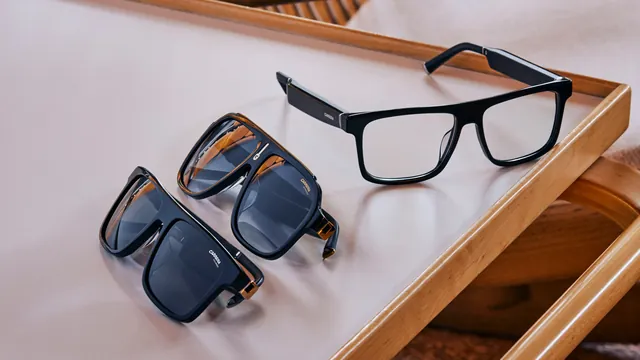
Echo Frames are Amazon's Alexa audio glasses, with no camera or display, and the 2023 third generation comes in seven styles, two from Carrera. Amazon's listings now show them as unavailable; here is what they offer, what they cost and how they compare with Ray-Ban Meta Audio.
Brilliant Labs' store now lists one pair of glasses, the $399 Halo, with a color microOLED display, a small camera and the Noa assistant, and its earlier Frame is gone. Here is how they compare, what is open source and what to check before ordering.
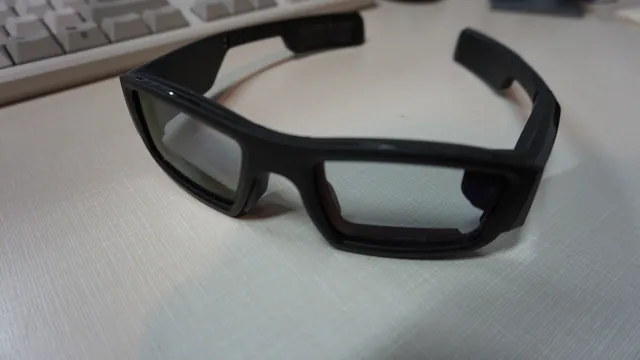
Vuzix sells work glasses to businesses and waveguide displays to other companies, and its one everyday-style pair, the $499 Z100, is out of stock and gone from its site. Here is what the Z100, M400, LX1 and Blade are, what they cost and what Vuzix reports about its OEM deals.
Rokid sells AI glasses with a camera and a small display in each lens, a display-free Style model and older AR glasses for gaming and video. On Oct. 27 it also launched Glasses 2, the full-color Rokid Color and the Rokid Ring, priced so far only in yuan. Here is what each does, what it costs, where US buyers can get it and how the Kickstarter launch fits in.
Can we count your visit?
With your permission, Google Analytics tells us how many people come and where from. How it works.