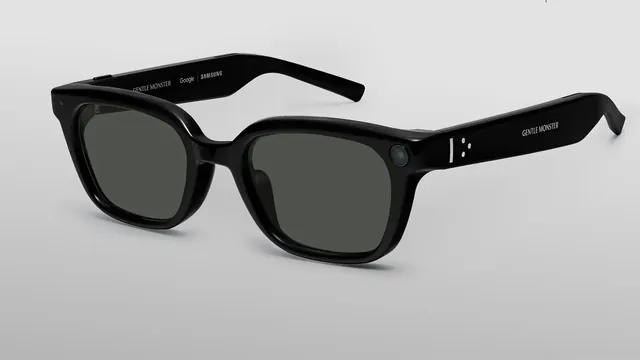
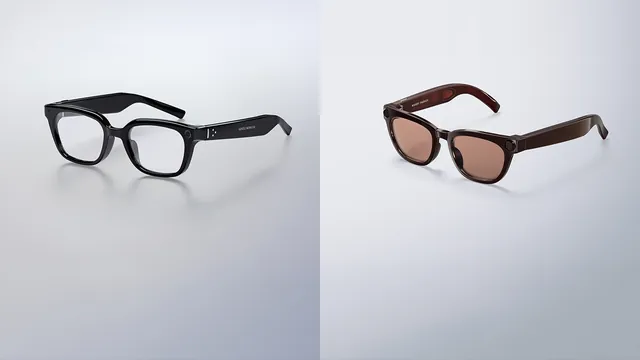
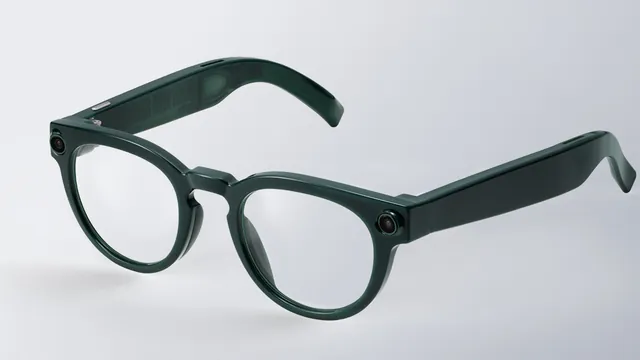
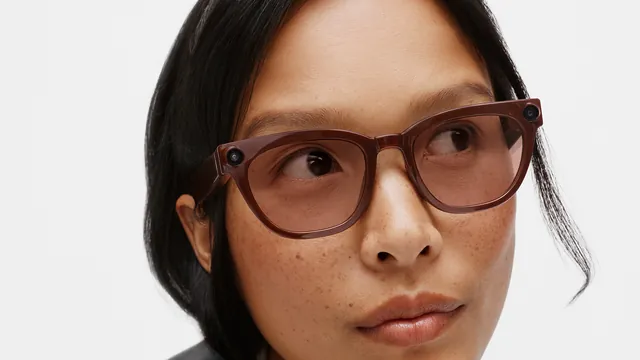
Warby Parker's Intelligent Eyewear starts at $395, comes in three styles and goes on sale Dec. 10 in the US, with pre-orders open since Nov. 12. Here is what Samsung, Google and Warby Parker have confirmed, and what they haven't.
Google's Nov. 12 pre-order post says people wearing the new Intelligent Eyewear can say "Hey Gemini" or tap the frames to start Gemini. The glasses, made with Gentle Monster, Warby Parker and Samsung, go on sale Dec. 10 in the US and South Korea.
9to5Google reports that Google says both Pixel Watch models and the Fitbit Air will be able to control Android XR glasses, with Pixel Watch support around launch and Fitbit Air in 2027. We found no Google page that says so, and the gestures are not listed.
Samsung opened pre-orders Nov. 12 for its Intelligent Eyewear, two Android XR frame collections from Gentle Monster and Warby Parker. Samsung says both become available Dec. 10 in the US, with Gentle Monster's also in South Korea, and its compatibility list includes iPhones.
Warby Parker said Nov. 5 that it will start taking pre-orders for its first Intelligent Eyewear on Nov. 12, with deliveries during the holiday season. Samsung builds the hardware on Google's Android XR. Price, countries and an exact ship date are not announced.
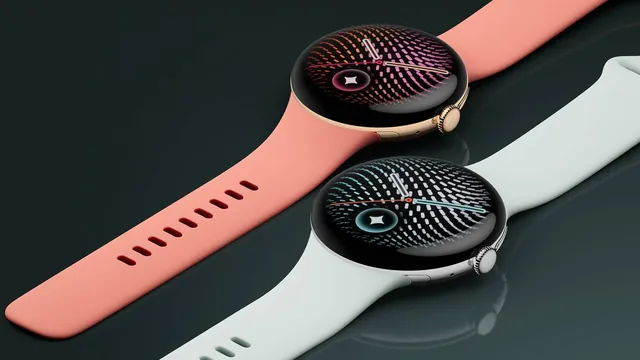
Eight outlets reviewed Google's newest watch, most after about a week of wear. Those that rate the upgrade call it a modest one, and the reviews split on battery life, offline Gemini and how much of the health pitch works today.
Chosunbiz reports that Samsung will start selling its first AI glasses in mid-December in South Korea and the US, citing unnamed industry sources. Australia is not named as a launch market, per ChannelNews. Samsung hasn't confirmed a date, and a Samsung official told The Korea Herald in October that the launch would be in November.
Google has announced new Android XR and Android CLI tools that let developers test smart glasses apps without physical hardware, according to Digital Trends. Google's developer page lists emulator support for headsets and three kinds of glasses.
Both pair with Android phones and both have Gemini, and Samsung's costs about $20 less. The real split is the phone you carry, the health tools you want and how you plan to use LTE.
Google's Aug. 12 event brought the Pixel Watch 5, from $399, plus Pixel Buds features and an Olive Pixel Buds Pro 2. Here is what was announced, what each costs, and which health features have shipped since.
Fitbit Air is Google's screenless band, priced at $99 in Google's May announcement. Coaching sits behind Google Health Premium, which is free for three months and then $9.99 a month or $99 a year. Google's own pages disagree on which phones it supports.
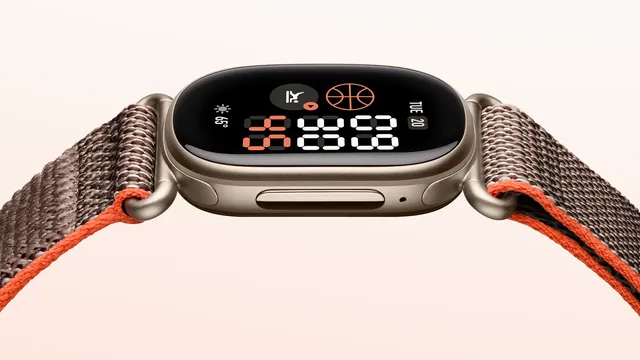
Google's Oct. 27 design post describes the Fitbit Edge tracker: a Hybrid OLED screen, a physical side button, a thin curved aluminum case and swappable bands. Here is what Google says, plus the price and availability reported so far.
Google and Samsung each sell a Wear OS watch for Android owners in the US: the Pixel Watch 5 from $399.99 and the Galaxy Watch9 from $379.99. What each costs, which phone it needs, and what the store pages leave out.
At I/O on May 19, Google promised audio glasses with Samsung, Gentle Monster and Warby Parker, Gemini features for watches and glasses, Wear OS 7 and new developer tools. As of Oct. 25, the watch software has shipped and the glasses have not.
Google's store lists one Pixel Watch, the Pixel Watch 5, from $399 for the 41 mm and $429 for the 45 mm. Battery, charging, LTE, Gemini, the Google Health Premium fee, Android-only support and what changed from Pixel Watch 4.
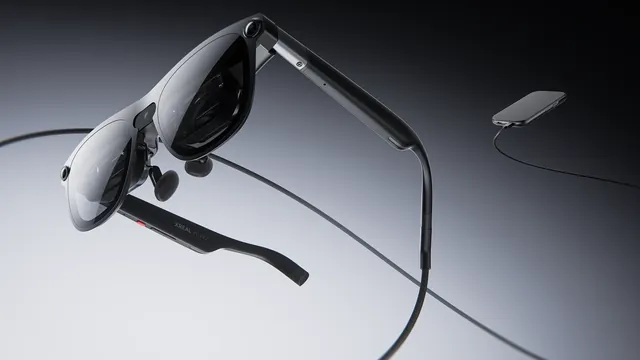
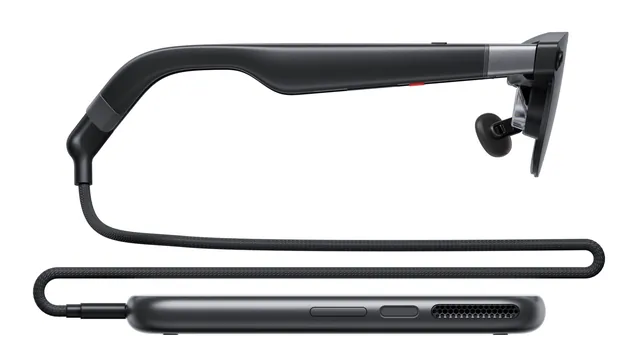
XREAL Aura is the first pair of see-through glasses to run Google's Android XR. Orders opened Oct. 28 in the US, Canada and South Korea at a launch price from $1,099, with shipments starting in mid-November. The glasses weigh under 95 grams and connect to a pocket puck that runs the apps.
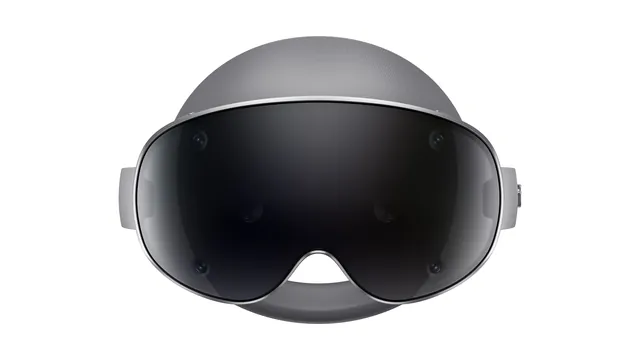
Android XR is the version of Android that Google built for headsets and smart glasses, with Gemini at its center. Here is what it does, which devices run it now, which are coming and how it compares with Apple's and Meta's platforms.
Gemini is built into Android XR, so it can see your apps and, if you allow it, your room. Here is what it does today on Samsung's Galaxy XR headset, how to control what it sees, and what Google says it will do on the audio glasses that go on sale Dec. 10.
Google's Android XR runs on one headset you can buy today. XREAL's see-through Aura glasses are open for orders at launch pricing from $1,099 through the end of the year and ship in mid-November. Pre-orders for Samsung's Intelligent Eyewear from Warby Parker and Gentle Monster opened Nov. 12 for Dec. 10 availability, and glasses with a display have no date yet.
Samsung's first glasses, built with Google and designed with Gentle Monster and Warby Parker, opened for pre-order on Nov. 12 and become available Dec. 10 in the US and South Korea. Samsung's US prices start at $395 for Warby Parker and run $449 to $489 for Gentle Monster. Gentle Monster's US product page now shows every style as sold out, and Samsung's compatibility list includes iPhone 13 and later on iOS 26.6 or later.
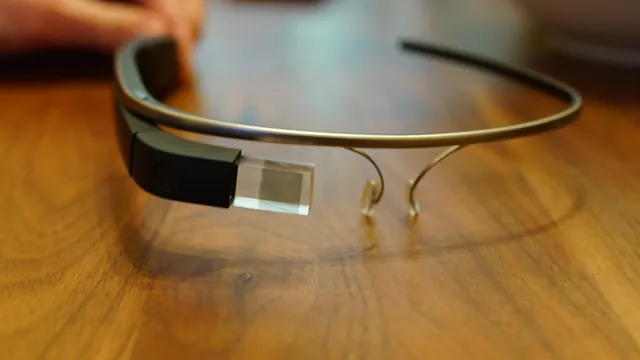
Google Glass went from a skydiving stunt in 2012 to a $1,500 prototype, a backlash over privacy and looks, a second life in factories and a final shutdown in 2023. Google is now back with Android XR glasses, made with Samsung and eyewear brands and due this fall.
Smart glasses went from a $1,500 developer gadget that some bars banned to millions of Ray-Bans a year. Here are the launches that shaped the category, with dates, prices and sources, from Google Glass to Meta Ray-Ban Display and Snap Specs.
The first see-through glasses to run Android XR start at $1,279 and are weeks from shipping. Owlchemy Labs, the Google-owned studio behind Job Simulator, is bringing a new $1.99 arcade game and four older ones.
Can we count your visit?
With your permission, Google Analytics tells us how many people come and where from. How it works.